
Eagle Idaho is a desireable, upscale community nestled along the base of the Boise
foothills. Eagle offers high-end, quality-crafted homes, fine dining, boutique shopping
and a friendly community. The Boise river meanders through Eagle and you'll often
find folks walking the greenbelt or enjoying a peaceful picnic along the banks.
Eagle offers convenient access to the entire Treasure Valley and provides direct
routes to northern ski areas, foothills hiking, river rafting and other fun Idaho
outdoor activities. If you prefer newer construction homes in an upscale market
then Eagle is the place for you. Pictured above is Rembrandt’s Coffee House in Eagle’s
quaint downtown area.
Homes in
Eagle Idaho
Local Restaurants
Eagle area
shopping
Downtown
Eagle
Around Town
Eagle Idaho
Events
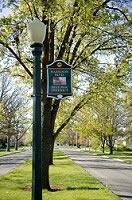
North Boise is one of the most sought after communities in the Boise area. Affectionately
referred to as The North End, here you will find classic architecture and character
in the turn of the century and early 1900's era homes. Many homes in The North End
have been fully restored to their original condition with a complementary touch
of modern conveniences. If you enjoy tree-lined streets, patio-dining at corner
restaurants and quiet and peaceful neighborhoods then be certain to see a few Boise
homes in this area during your visit. Pictured above is Boise’s historic Harrison
Boulevard which runs from Boise’s thriving downtown through the heart of The North
End.
Homes in North
Boise
Hyde Park
Harrison Boulevard
Camels Back
Park
Boise Foothills
North Boise
Events

May 18, 2026
If you follow national real estate headlines, you might think the housing market is on the verge of a major collapse. Stories about high mortgage rates, affordability concerns, and slowing sales activity dominate the news cycle almost daily.
But here in Idaho’s Treasure Valley, the reality on the ground tells a very different story.
The local market is not crashing. Instead, it’s transitioning into something we haven’t seen in several years: a more balanced market.
That distinction matters — especially for buyers and sellers trying to make smart real estate decisions in 2026.
________________________________________
The Frenzy Market Is Gone — And That’s Probably a Good Thing
During the ultra-competitive market of 2020 through early 2022, many homes in Boise, Meridian, Eagle, and surrounding communities received multiple offers within days. Buyers routinely waived inspections, appraisal contingencies, and sometimes offered well above asking price just to compete.
Today’s market looks very different.
Homes are generally taking longer to sell, buyers have more time to evaluate properties, and negotiations have become far more common. That shift can feel dramatic compared to the frenzy years, but historically speaking, today’s conditions are much closer to a normal market environment.
A balanced market creates opportunities for both buyers and sellers — just in different ways.
________________________________________
Inventory Has Improved, But It’s Still Not “High”
One of the biggest changes over the past year has been an increase in available inventory across much of the Treasure Valley.
Buyers now have more choices than they did during the pandemic-era housing surge. However, inventory levels in many areas still remain below long-term historical norms.
Why?
Many homeowners currently have mortgage interest rates in the 2.5% to 4% range. Giving up those rates to purchase another home at today’s higher borrowing costs simply doesn’t make financial sense for some sellers. Economists often refer to this as the “lock-in effect.”
As a result, while inventory has improved, there still are not enough homes on the market to create the kind of oversupply that typically leads to major price declines.
________________________________________
Prices Have Stabilized — Not Collapsed
Another misconception is that home prices are falling sharply.
While the rapid appreciation we experienced several years ago has certainly slowed, most Treasure Valley markets have instead seen price stabilization. Some neighborhoods and price ranges are performing better than others, but broad-based price declines have generally not materialized.
In many cases:
• Well-priced homes still sell quickly
• Move-in-ready homes continue to attract strong interest
• Desirable locations remain highly competitive
• Homes perceived as overpriced tend to sit longer and require reductions
This is a major shift from the “everything sells immediately” environment of a few years ago.
Pricing strategy matters again.
________________________________________
Buyers Finally Have More Negotiating Power
For buyers, today’s market offers something many people haven’t experienced in years: leverage.
Depending on the property and location, buyers may now be able to negotiate:
• Seller-paid closing costs
• Interest rate buy-downs
• Repair requests
• Longer inspection periods
• Contingencies that would have been rejected outright during the peak market
This does not mean buyers can expect deep discounts on every property. But it does mean the market has become more balanced and rational.
Prepared buyers who understand financing, local values, and timing can find very good opportunities right now.
________________________________________
The Treasure Valley Is Not One Market
One important thing to remember is that “the market” is not the same everywhere.
Conditions can vary significantly between:
• Boise
• Meridian
• Eagle
• Kuna
• Nampa
• Caldwell
Even within the same city, different price points and neighborhoods can behave very differently.
For example:
• Entry-level homes may still see strong competition
• Luxury inventory may take longer to absorb
• New construction builders may offer incentives that resale sellers cannot match
• Canyon County continues to attract buyers seeking affordability and larger homes for the money
That’s why hyperlocal market knowledge matters more today than it did during the peak frenzy years.
________________________________________
So What Happens Next?
Nobody can predict the market perfectly, but most indicators suggest the Treasure Valley is continuing toward a healthier and more sustainable pace rather than a major downturn.
The fundamentals supporting our market remain strong:
• Continued population growth
• Limited long-term housing supply
• Strong lifestyle appeal
• Outdoor recreation and quality of life
• A diverse and growing regional economy
Will the market continue evolving? Absolutely.
But “rebalancing” is not the same thing as “crashing.”
For buyers, this market offers more breathing room and negotiating opportunities than we’ve seen in years.
For sellers, success increasingly depends on proper pricing, preparation, presentation, and strategy.
And for everyone watching from the sidelines, understanding the difference between national headlines and local market realities has never been more important.
________________________________________
Final Thoughts
Real estate markets are constantly changing, and the Treasure Valley is no exception. The days of instant bidding wars on every listing may be behind us, but that doesn’t mean the market is weak.
In many ways, today’s conditions are creating a healthier environment for both buyers and sellers — one where informed decisions matter more than panic or hype.
If you’re curious about what’s happening specifically in your neighborhood or price range, local data and local experience matter far more than national headlines.
John Poole
208-440-9600
jpoole@atova.com
Continue Reading »